
A Blast from the Past

The Matchless Mine Historic Site

**Closed for the winter**

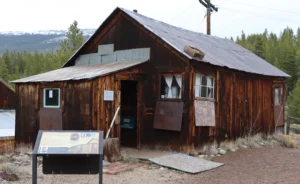
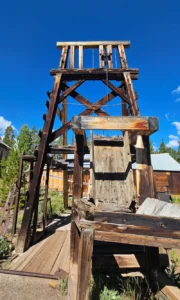
Open in the summer from approximately Memorial Day to Labor Day, the Matchless Mine Historic Site features the mine’s superintendents’ cabin, the hoist house, and the Matchless Mine headframe. Located on the east side of Leadville up 7th Street, the Matchless Mine showcases the engineering and technology that contributed to the boom and bust of the price of silver. Once one of the most prolific silver mines in the United States, the Matchless Mine Historic Site stands as a capsule of history. While it is unsafe to go underground at the mine, there are informational signs and a self-guided tour that give you the details of the site. Missed out on the mine’s short operational season? Come to the National Mining Museum to learn more about the Matchless Mine!
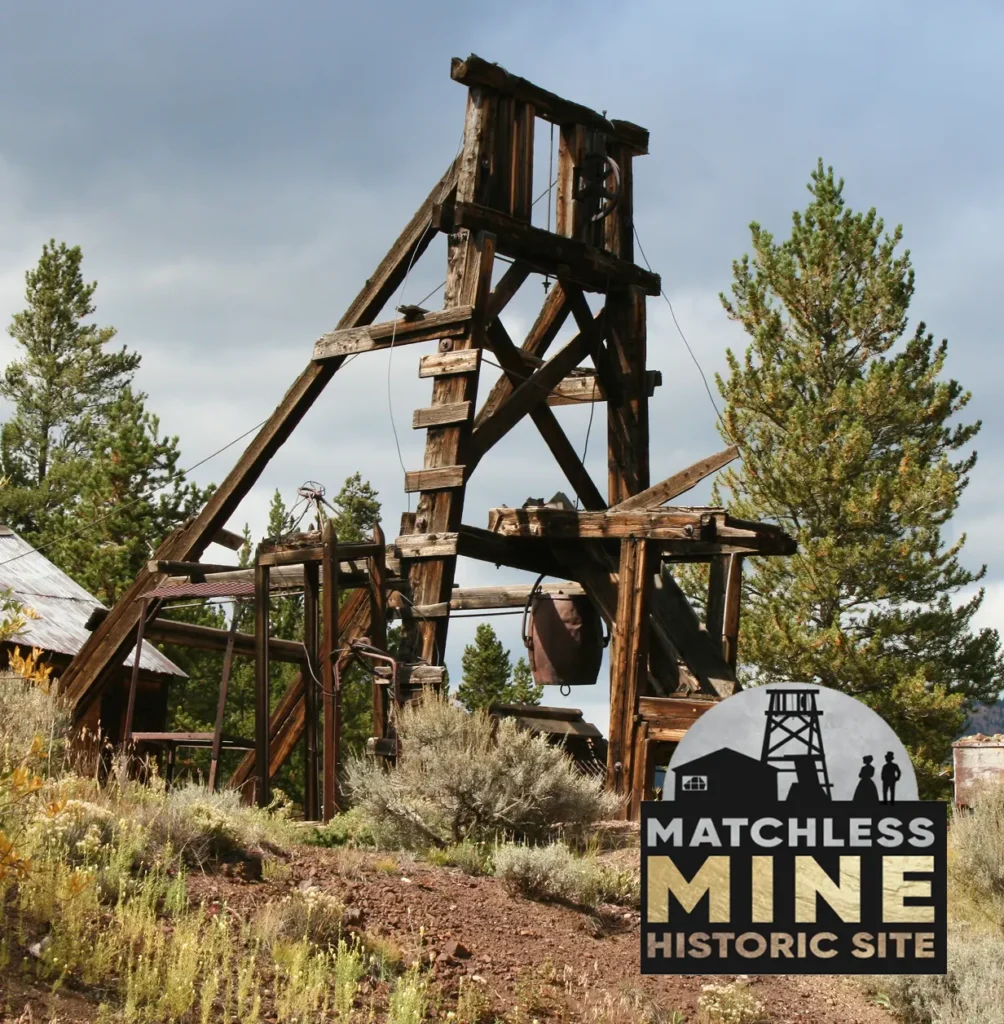
Matchless Mine Headframe

More Information

Location Icon

Location

**Closed for the Winter**
557 County Road 3
Leadville, CO 80461

time icon

Hours of Operation

**Closed for the Winter**
Opens for the season typically Memorial Day and closes for the season typically Labor Day

Price

**Closed for the Winter**

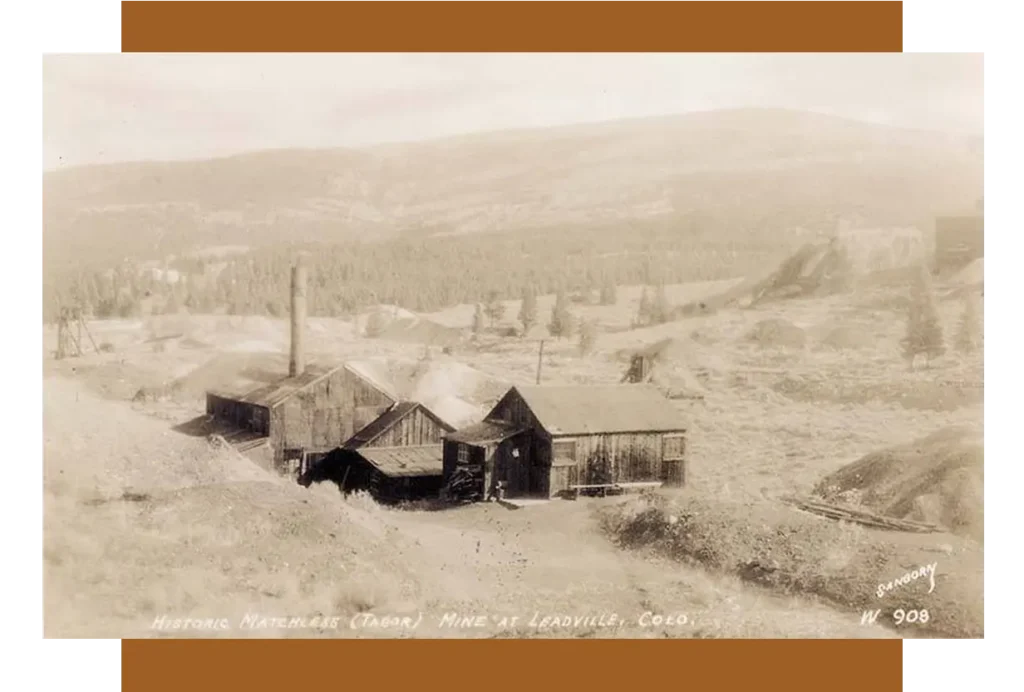
The Matchless Mine in Leadville Colorado
The Silver Boom and Bust

The History of the Matchless Mine

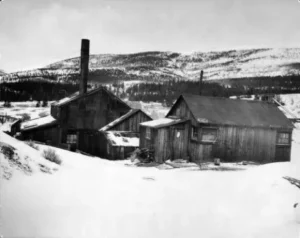
The Matchless Mine, located on Fryer Hill—the richest part of the Leadville mining district—was purchased by Horace Tabor, Colorado’s Lieutenant Governor, on July 17, 1880, for $77,850. It sat along a trend of rich Fryer Hill mines like Little Pittsburg and Chrysolite, which had already made Tabor a millionaire. Betting on a third bonanza, Tabor acquired the Matchless, initially dismissed as “Tabor’s Folly.” In September 1880, however, rich ore was discovered, yielding silver worth up to $300,000 per ton today. From 1880 to 1886, Tabor earned about $1.2 million ($465 million today). By 1887, the ore was depleted, profits plunged, and he entered a financial spiral, borrowing heavily until his death in 1899. At that time, creditors operated the mine under a foreclosure delay.

Tabor’s second wife, Elizabeth “Baby Doe” Tabor, paid off creditors with a loan and continued to lease and promote the mine for 28 years. She relied on loans secured by the Matchless, repaying them with new ones. In 1928, Shorego Mining foreclosed, but owner J.K. Mullen allowed her to remain in the cabin. From 1900 to 1935, she lived between Denver and Leadville. In 1930, she was recorded on the census at the Matchless. She died there of a heart attack on February 20, 1935, at age 81. Her body wasn’t found until March 7. Despite local legend, she had food, money, and coal when she died.

Today, the Matchless Mine National Historic Site preserves the legacy of Western mining in the late 19th and early 20th centuries.

Collections Care

Telling the Story of History

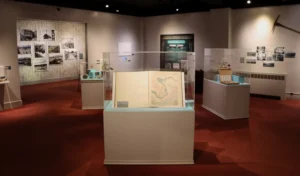
Artifacts in our collections are the centerpieces of how we explain history. These items, photographs, and digital files are vital to show not only amazing minerals and tools, but also tell the story of mining and the people of those stories.

Artifacts from The Matchless Mine in Leadville, Colorado
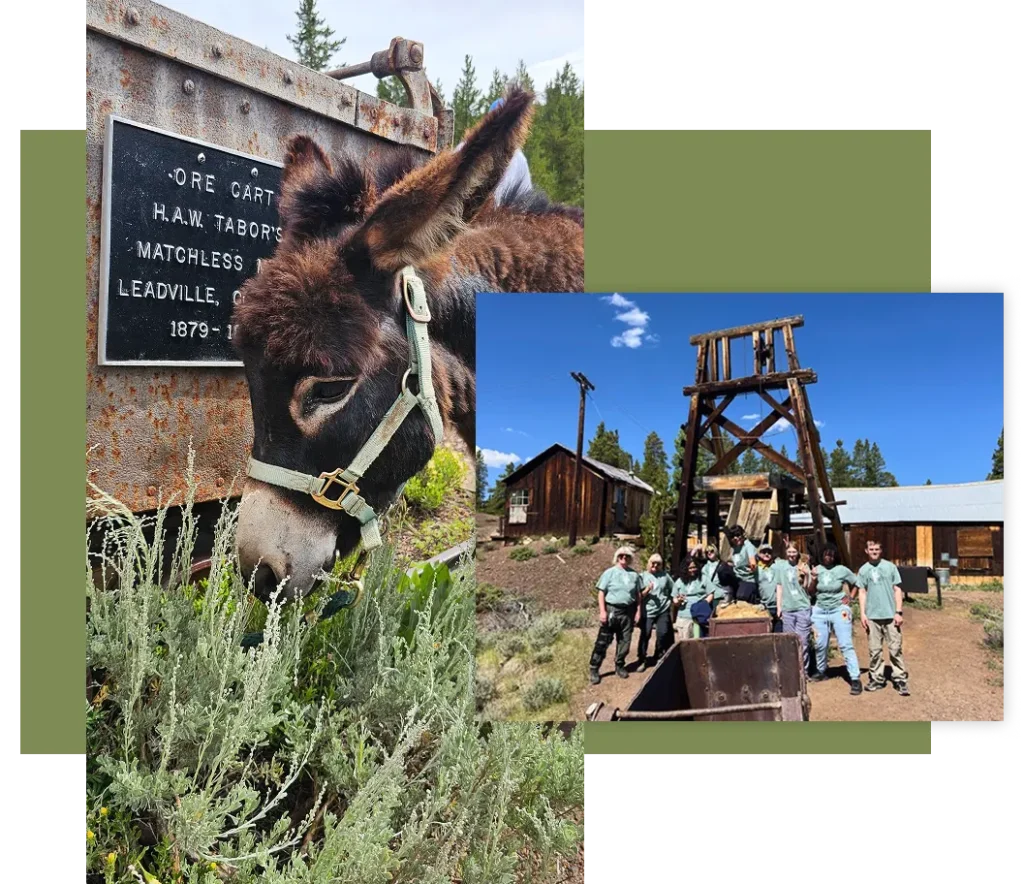
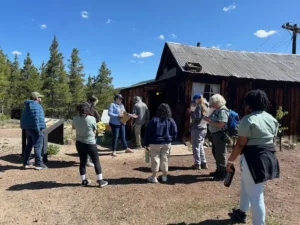
Volunteers and a Burro at The Matchless Mine
Programming Made Possible

The Historic Site in the Future

The Matchless Mine Historic Site is funded entirely with donations and grants. Programs like school group tours and community days rely on donations to happen at the Matchless Mine. Are you interested in donating to make the site more accessible to others in the future? Please consider donating to make preservation and access a priority!

Support
Our Mission

We educate the public about mining and its people, promote understanding about its role in the development of our modern society, and inspire curiosity about the future of mining and mining practices. Help us achieve our goals to enlighten the world about how mining impacts our lives.